October 07, 2026


EXCERPT: Briar, meerschaum and corn cob each smoke differently and demand different care. A practical beginner's guide to cost, break-in
Walk into any tobacconist with a budget and a question, and you will be handed three answers before you finish asking. The clerk will reach for a briar, mention a meerschaum, and then, almost apologetically, slide a corn cob across the counter and tell you it smokes better than either. All three claims are true. They are also incomplete.
A pipe is a small heat exchanger that you hold in your teeth. The material it is made from decides how much heat reaches your tongue, whether the pipe contributes flavor of its own, how heavy it feels after forty minutes, and how much maintenance it asks of you between bowls. Shape, finish, and price tag matter, but they matter less than the stuff the chamber is carved from.
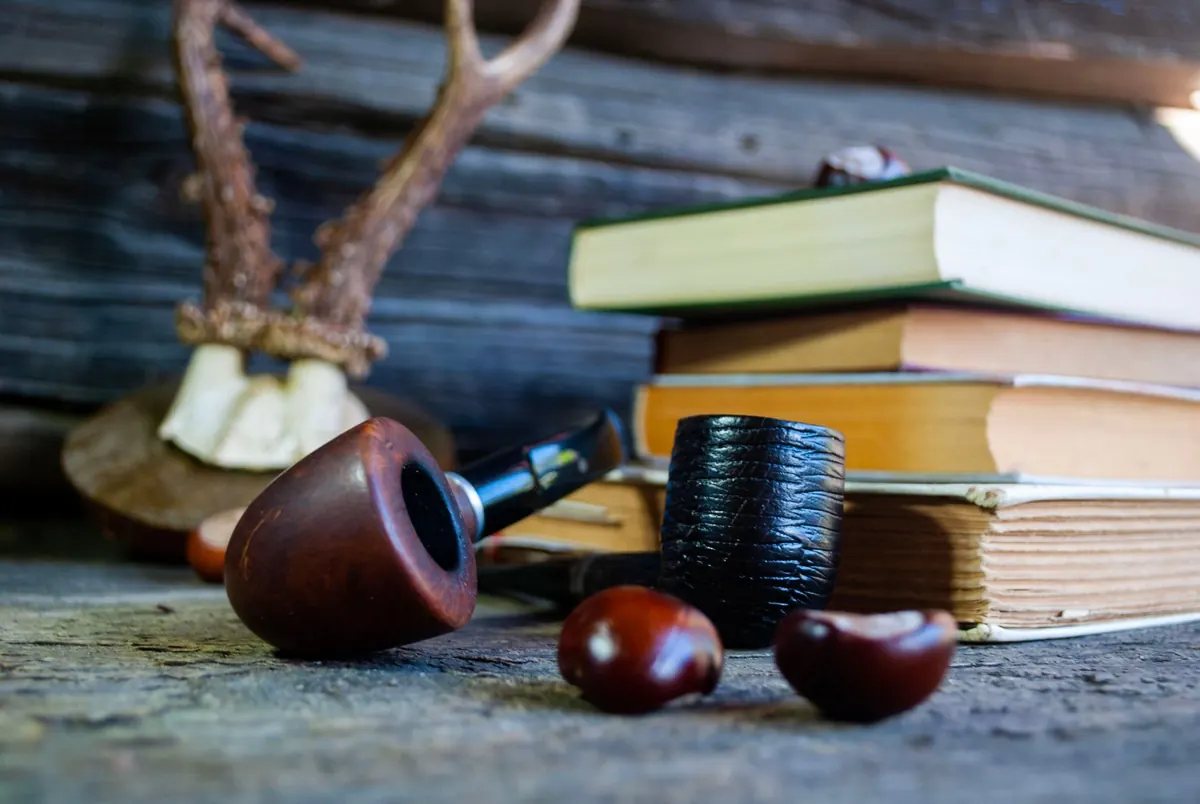
Briar is the burl of Erica arborea, a Mediterranean shrub whose root burls are dense, fire resistant, and riddled with the grain lines that pipe makers chase. It has been the standard since the mid-nineteenth century, when French makers realized the burl could take heat without splitting.
Evenly, and with a slow ramp. A new briar tastes faintly of wood for the first several bowls, a green, slightly sweet note that fades as carbon builds in the chamber. After ten or fifteen smokes, a Virginia flake will taste rounder and sweeter than it did in a cob. Briar also holds up to heat better than most people expect; it is heavy enough to feel substantial in the hand but light enough that a bent billiard is still clenchable.
Briar rewards patience. Fill the bowl a third full for the first few smokes, then half, then two-thirds, then full. Smoke slowly, and do not worry about a perfect grey cake — a thin, even layer of carbon is the goal, not a thick crust. Never scrape the chamber with a knife. A pipe cleaner after every bowl and twenty-four hours of rest between smokes will do more for a briar than any accessory ever sold.
Meerschaum is a soft, porous mineral — sepiolite — mined mostly in Turkey and carved while damp. It weighs almost nothing, which is why a large meerschaum billiard feels like it is made of foam. It also insulates superbly, which is why people describe it as the coolest smoke in the sport.
Neutral from the very first bowl. There is no break-in flavor, no woodiness, no ghost. If you want to taste a blend and only the blend, this is the material that gets out of the way. It also colors: the porous stone absorbs oils and tars and gradually shifts from chalky white through cream, honey, and eventually a deep amber. That coloring is slow, uneven, and largely governed by how carefully you handle the pipe.
There is no break-in, and that is part of the appeal. Do not attempt to build cake; meerschaum does not want it. Do not knock the bowl against a hard surface — the mineral is soft enough to chip. Wash your hands before smoking, because the stone will absorb whatever is on your fingers, and never handle a warm bowl with the palm of your hand. A meerschaum is a pipe you smoke seated, slowly, and a little reverently.
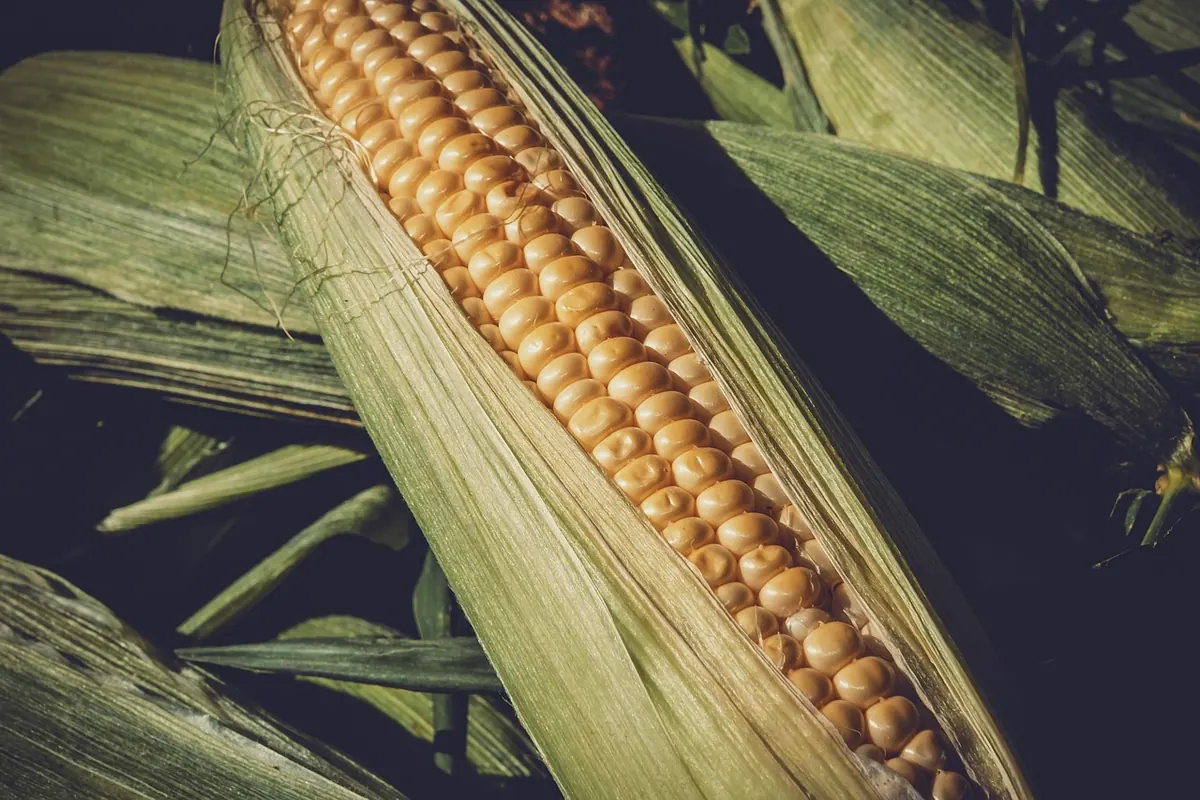
A corn cob pipe is a dried corn cob, a wooden shank or dowel, and a bit of plaster or a hardwood plug. Missouri Meerschaum has been making them since 1869, and they remain the cheapest way to find out whether pipe smoking is for you.
Dry and sweet. The cob absorbs moisture aggressively, so tongue bite is rare and aromatics taste cleaner than they do in a fresh briar. There is a faint corn-sweet note for the first half-dozen bowls. The trade-off is longevity: the bottom of the chamber chars, the shank loosens, and a heavily smoked cob eventually gives up. Buy three instead of one.
Almost none. Smoke it, tap it out, run a cleaner through it, and throw it away when it dies. If your cob has a plaster coating inside the bowl, smoke it out gently; the coating is meant to burn off. Cobs are also the perfect excuse to experiment — dedicate one to Latakia, one to aromatics, and one to whatever you are afraid to ruin a briar with.
A pipe that has just been smoked is holding moisture. Reloading it immediately means steaming your tobacco and souring the heel. Two or three pipes in rotation — even two cobs and one briar — will outperform one expensive pipe smoked back to back.
Cake is insulation, not a goal. A millimeter is plenty. A quarter-inch crust cracks, narrows the chamber, and can split a bowl on a cold day. Ream lightly, once or twice a year, and stop.
Buy two corn cobs and one briar. Use the cobs to learn packing and cadence, since mistakes cost five dollars apiece, and use the briar for the blends you already like. Add a meerschaum later, when you know which tobacco you want to taste uncolored. There is no hurry.
Every material asks for something different. Cob asks you to be fearless, briar asks you to be patient, and meerschaum asks you to be careful. Pick the one whose demands you can actually meet right now.
Start cheap, smoke slowly, and let the material teach you what it wants. The pipe you keep reaching for at the end of the first year is rarely the one you thought you wanted at the beginning.
Photo: Couleur / Pixabay
The magazine for briar pipe enthusiasts.
Copyright © 2026 Briar Mag. All rights reserved. Briar Mag.